
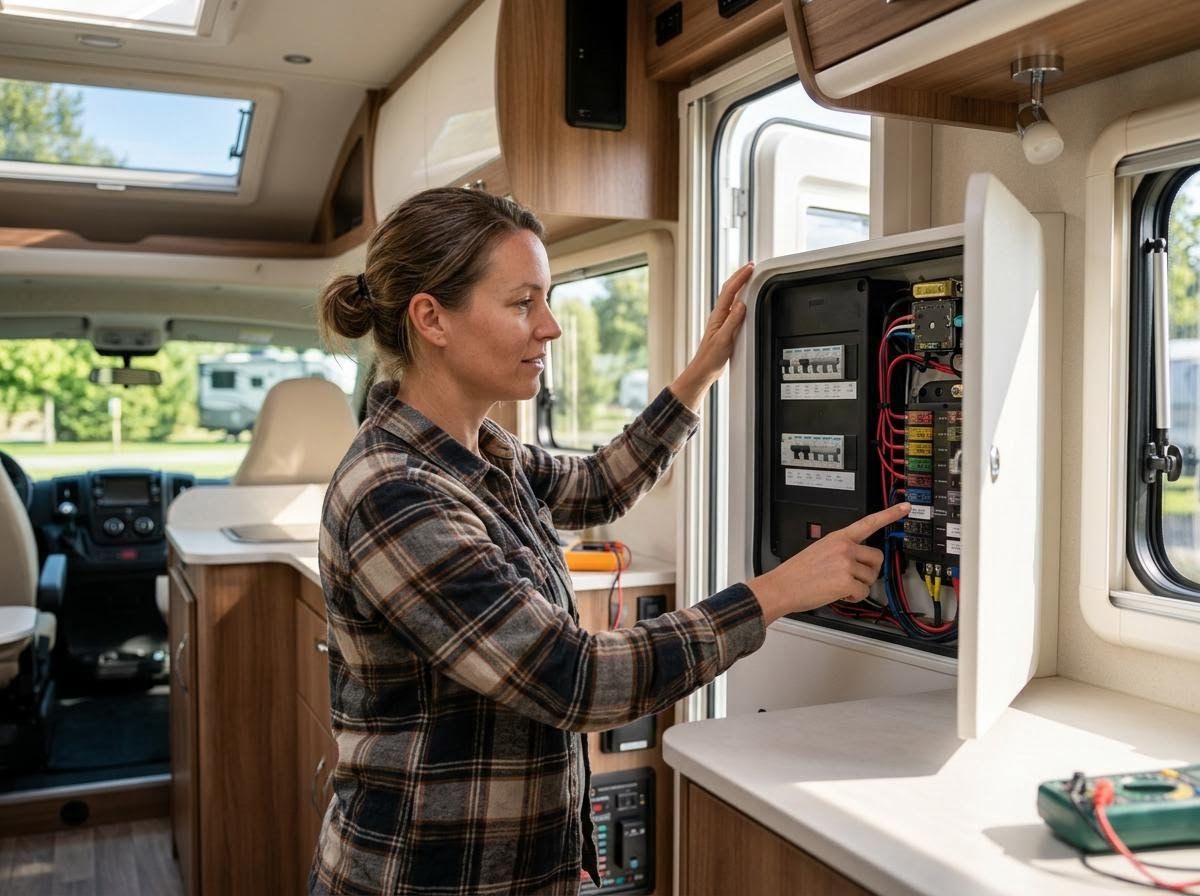
Understanding the intricate electrical systems of your RV is fundamental to enjoying a seamless journey on the open road, ensuring everything from your lights to your appliances operates flawlessly. At Longship RV, we know that proper knowledge of your AC/DC power is key to troubleshooting minor issues and knowing when to seek expert assistance. This guide will help demystify the essential components that keep your motorhome powered up, whether you're hooked up at a campsite or boondocking in the wilderness.

The Foundation: RV AC Power
Your RV's alternating current (AC) system is what powers the high-draw appliances typically found in a home, such as air conditioners, microwaves, televisions, and standard wall outlets. This power primarily comes from two sources: "shore power" when you're plugged into an electrical pedestal at a campground, or from your onboard generator. The shore power connection typically supplies 30-amp or 50-amp service, which then distributes power throughout your RV's AC breaker panel. Familiarity with your AC system is a crucial aspect of overall RV electrical work, helping you manage your energy consumption and prevent tripped breakers.
Essential DC Power: Running Your RV's Core
Direct current (DC) power is the backbone of your RV, operating a multitude of essential components regardless of whether you're plugged in. This system is fueled by your RV's house batteries, which are typically 12-volt. DC power runs your interior lights, water pump, furnace fan, refrigerator control board, slide-outs, and many other critical systems. Understanding your DC system is vital because even when your RV is off, many of these systems remain active, gradually depleting your battery bank. Monitoring your battery levels and ensuring proper charging are paramount for uninterrupted operation.
The Harmony of AC and DC: Converters and Inverters
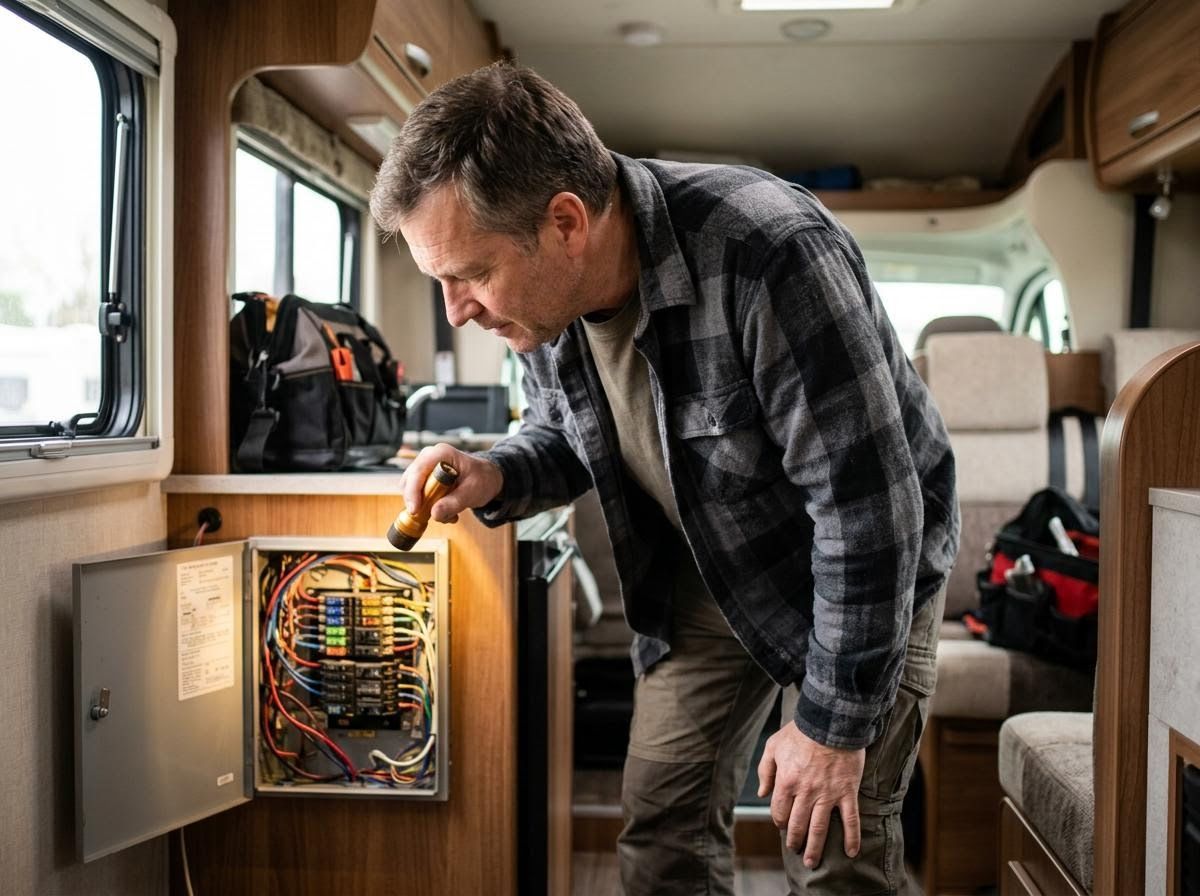
The magic in your RV's electrical system often lies in the seamless conversion between AC and DC power. A converter is an indispensable device that takes incoming AC shore power or generator power and transforms it into DC power to charge your house batteries and supply power to your 12-volt DC appliances. Conversely, an inverter takes 12-volt DC power from your batteries and converts it into 120-volt AC power, allowing you to run certain household appliances when shore power or a generator is unavailable. Proper maintenance of these components is crucial to prevent unexpected outages and ensure reliable RV repair services are rarely needed.
When to Seek Expert RV Electrical Help
While a basic understanding of your RV's electrical systems can help with everyday operations and minor troubleshooting, some issues require professional expertise. Complex electrical diagnostics, faulty wiring, or problems with major appliances like your hydronic heating system often necessitate specialized knowledge. If you encounter persistent electrical problems, dimming lights, or appliances failing to operate correctly, it's wise to consult with professionals. This is particularly true for specialized RV electrical work or if you need comprehensive diagnostics that might lead to remote RV repair solutions or convenient mobile RV services, ensuring your motorhome is always adventure-ready.
Mastering the basics of your RV's AC and DC electrical systems is empowering, providing you with the confidence to enjoy your travels without constant worry. From understanding your power sources to knowing the difference between a converter and an inverter, this knowledge keeps your home-on-wheels functioning smoothly. Should you ever encounter a challenge that's beyond your comfort level or requires a specialized touch, Longship RV stands ready with the expertise in RV repair services to get you back on the road safely and efficiently. Contact us to learn more about maintaining your RV's peak performance.