

Embarking on your motorhoming journey opens up a world of adventure, and understanding the ins and outs of your RV's systems is crucial for a comfortable experience. Hydronic heating systems, in particular, offer efficient and consistent warmth, making them a popular choice for many RVers. This guide will walk you through the basics of RV hydronic heating, helping you confidently navigate your new home on wheels.
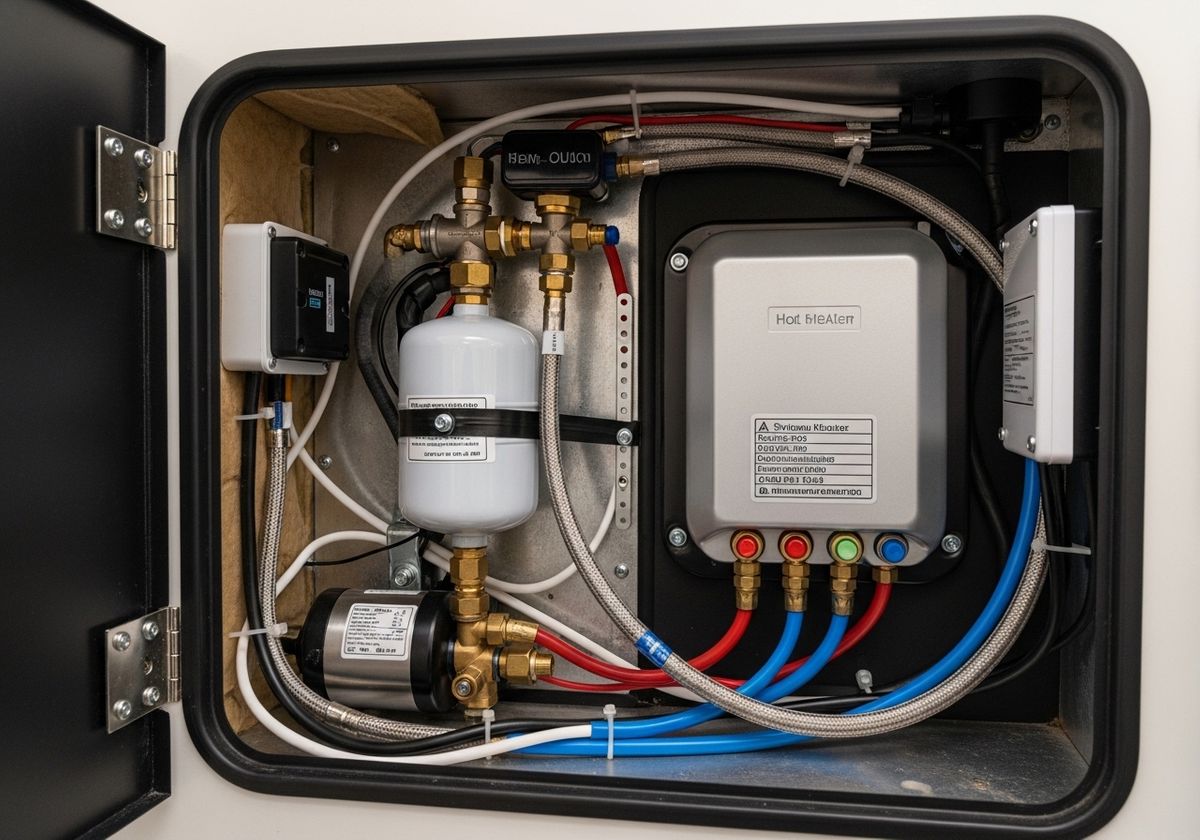
What is a Hydronic Heating System?
Unlike traditional forced-air furnaces, hydronic systems use a liquid heat-transfer medium (typically a glycol and water mixture) to circulate warmth throughout your RV. This heated liquid travels through a network of pipes to radiators or heat exchangers, which then radiate heat into the living space. Hydronic systems are known for providing even, draft-free warmth and are often quieter than forced-air options.
Key Components of a Hydronic System
Heat Source: This is where the liquid is heated. Common heat sources include diesel-fired burners (like Aqua-Hot systems) or electric heating elements.
Circulation Pump: This pump moves the heated liquid through the system.
Heat Exchangers/Radiators: These components release the heat into the RV's interior. They can take various forms, such as baseboard radiators or wall-mounted heat exchangers.
Expansion Tank: This tank accommodates the expansion and contraction of the heated liquid.
Control Panel: This allows you to set the desired temperature and control the system's operation.
Benefits of Hydronic Heating
Even Heating: Hydronic systems provide consistent warmth throughout the RV, eliminating cold spots.
Quiet Operation: Compared to forced-air furnaces, hydronic systems operate much more quietly.
Efficient Heating: Hydronic systems can be more energy-efficient, especially in larger RVs.
Multi-Zone Heating: Many hydronic systems allow for independent temperature control in different zones of the RV.
Basic Maintenance Tips
Regular Inspections: Check the system for leaks, corrosion, or any signs of damage.
Fluid Level Checks: Ensure the coolant level in the expansion tank is within the recommended range.
Servicing: Schedule regular professional RV servicing to inspect and maintain the system's components, including the burner, pump, and heat exchangers.
Component Checks : Periodically checking the condition of your RV battery and ensuring it is properly charged will ensure the hydronic system continues to function correctly.

Troubleshooting Common Issues
No Heat: Check the heat source, circulation pump, and control panel settings. Also, verify that the coolant level is adequate.
Leaks: Inspect all connections, hoses, and components for leaks. Address any leaks promptly to prevent damage.
Uneven Heating: This could be due to airlocks in the system or malfunctioning heat exchangers. Bleeding the system can remove airlocks.
Understanding your RV's hydronic heating system is essential for comfortable RVing, especially in colder climates. By familiarizing yourself with the system's components, benefits, and basic maintenance, you can ensure reliable and efficient heating on all your adventures. Remember, regular professional RV repair and RV servicing are key to keeping your hydronic system in top condition.
Longship RV specializes in Aqua-Hot systems and other RV appliances. Our vision is to be the leading provider of Hydronic Heating Service. We are the only mobile, Aqua-Hot Service Center in the greater Sandusky, Ohio area. If you're in the Sandusky area and need expert assistance with your hydronic heating system, don't hesitate to contact us for convenient and reliable mobile service. Explore our website to learn more about our services, or call us to schedule an appointment!