

Navigating the open road in your motorhome offers unparalleled freedom, but a smooth journey often depends on a reliable electrical system. Understanding the fundamentals of your RV's power supply is crucial for peace of mind and preventing unexpected stops. Here at Longship RV, we believe that informed RV owners are happy RV owners, ready to tackle any adventure with confidence.
The Dual Nature of RV Power: 12V DC and 120V AC
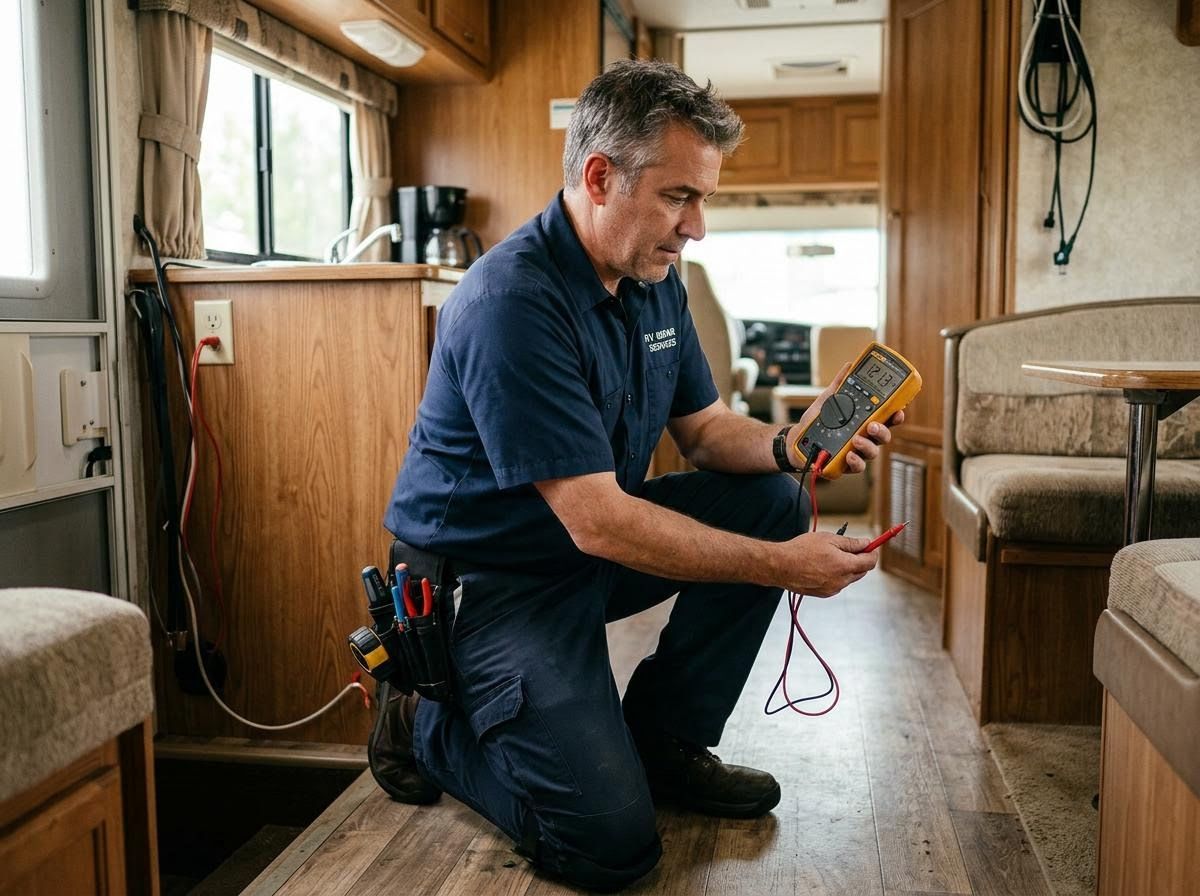
Your RV relies on two primary electrical systems, each serving different purposes. The 12-volt DC (Direct Current) system powers essential components like lights, water pumps, fans, and certain appliances. This system runs off your "house" batteries, which are charged when you’re driving, plugged into shore power, or via solar panels. The 120-volt AC (Alternating Current) system, on the other hand, is what you'd find in a standard home. It powers high-demand appliances such as microwaves, air conditioners, and outlets for small kitchen appliances. This power typically comes from a campground's shore power hookup or your RV's onboard generator. Understanding which system powers what is the first step in effective troubleshooting.
Essential Electrical Components and Their Roles
To manage these dual power sources, RVs employ several critical components. The converter transforms 120V AC power from shore or generator into 12V DC power to charge your house batteries and operate 12V appliances. Conversely, an inverter takes 12V DC battery power and converts it into 120V AC for use with standard appliances when shore power isn't available. Fuses protect 12V DC circuits from overcurrents, much like those in your car, while circuit breakers guard 120V AC circuits, similar to a home electrical panel. Proper functioning and maintenance of these components are vital for safe and efficient RV electrical work, ensuring all your systems run smoothly.
Common Electrical Issues and Practical Troubleshooting
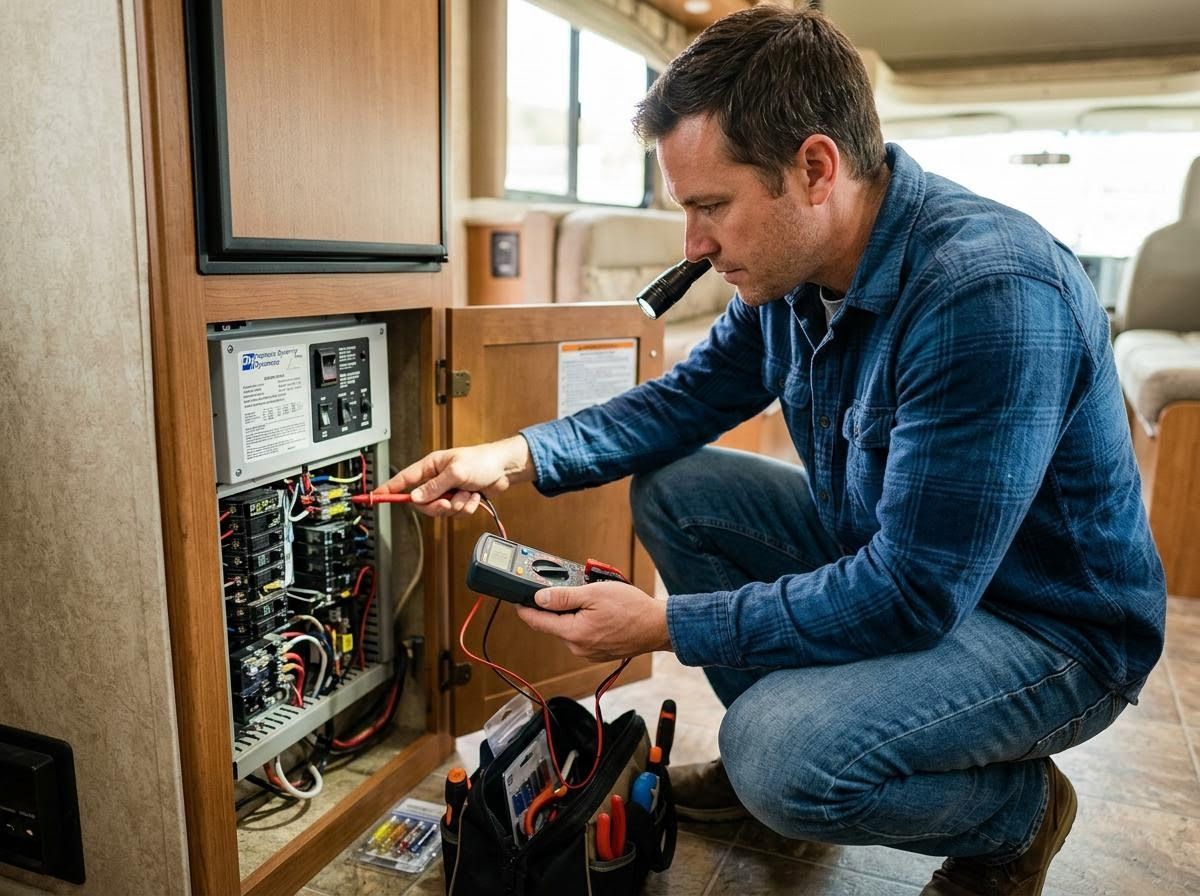
Even with the best maintenance, electrical glitches can occur. Common problems include rapidly draining batteries, which could indicate a parasitic draw or a failing battery, and tripped circuit breakers or blown fuses, often signaling an overloaded circuit or a short. Before panicking, check your connections, ensure your power source is stable, and try resetting breakers or replacing fuses (always with the correct amperage). For roadside emergencies or when you can't get to a shop, specialized mobile RV services can be a lifesaver, bringing expertise directly to you. Sometimes, troubleshooting advice, even remote RV repair guidance, can point you in the right direction to resolve minor issues quickly.
Integrating Advanced Systems: The Hydronic Heating Connection
For many motorhome owners, comfort systems like a hydronic heating system (such as Aqua-Hot or Oasis) are central to their RV experience. These sophisticated systems provide hot water and interior heat using a combination of diesel, propane, and electric elements. While the primary heat source might be fuel-based, the electrical system plays a crucial role in controlling blowers, pumps, and ignition. Ensuring your RV's electrical foundation is sound is paramount for these advanced comfort systems to operate efficiently, preventing cold nights or unexpected hot water outages. Complex issues with these integrated systems often require professional RV repair services to diagnose and correct.
A fundamental understanding of your RV's electrical system empowers you to diagnose minor issues, ensure optimal performance, and confidently enjoy your travels. By recognizing the roles of 12V DC and 120V AC, understanding key components, and knowing basic troubleshooting steps, you’re better prepared for anything the road throws your way. Should you encounter complex challenges or require in-depth RV repair services, Longship RV is always here to provide expert assistance, ensuring your motorhome remains a reliable home away from home. Contact us to learn more about maintaining your RV's vital systems.