
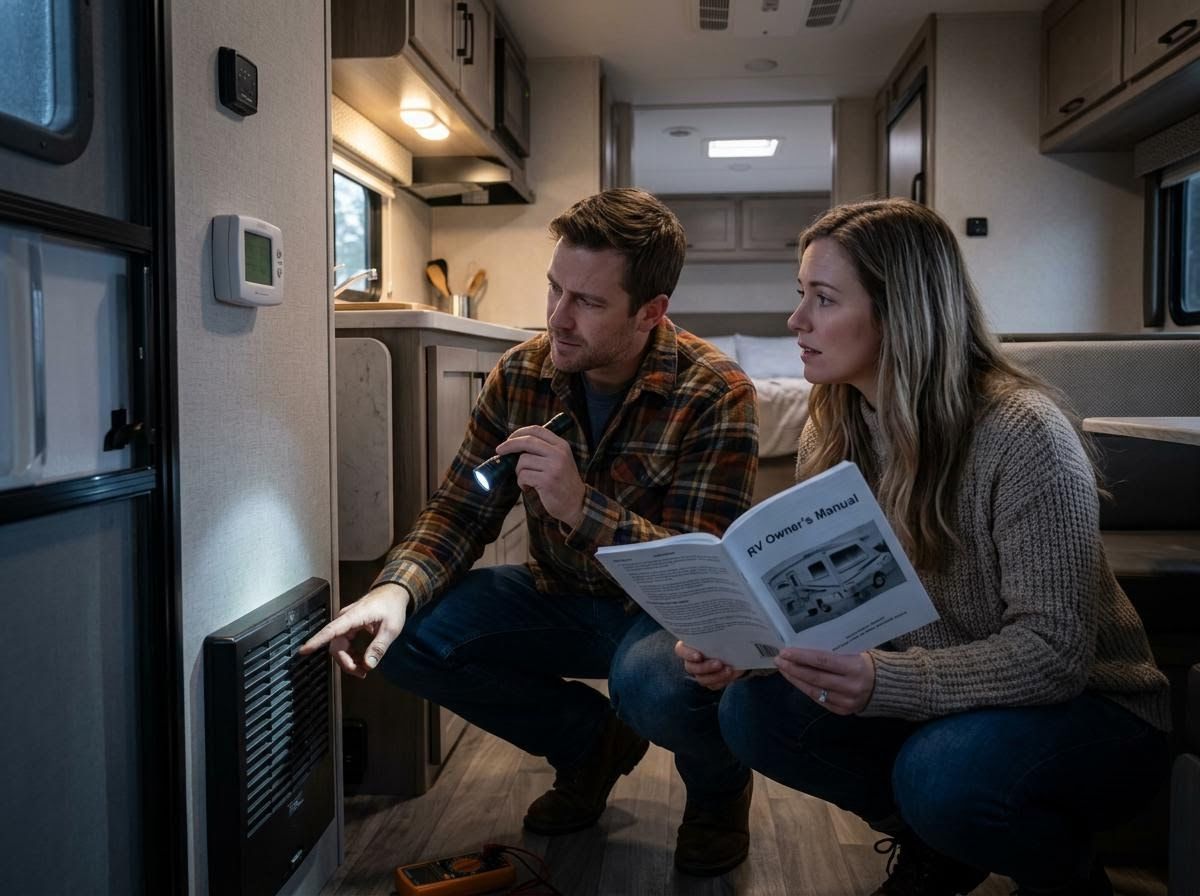
There's nothing quite like the chill of an unexpected cold night in your RV, especially when your furnace refuses to ignite. It's a common yet frustrating experience for many travelers, turning a cozy retreat into an uncomfortable situation. Understanding the potential causes can save you from discomfort and help you get back to enjoying your journey. At Longship RV, we know the importance of a reliable heating system, and we're here to guide you through some initial troubleshooting steps to warm things up.
Check Your Power and Propane Supply
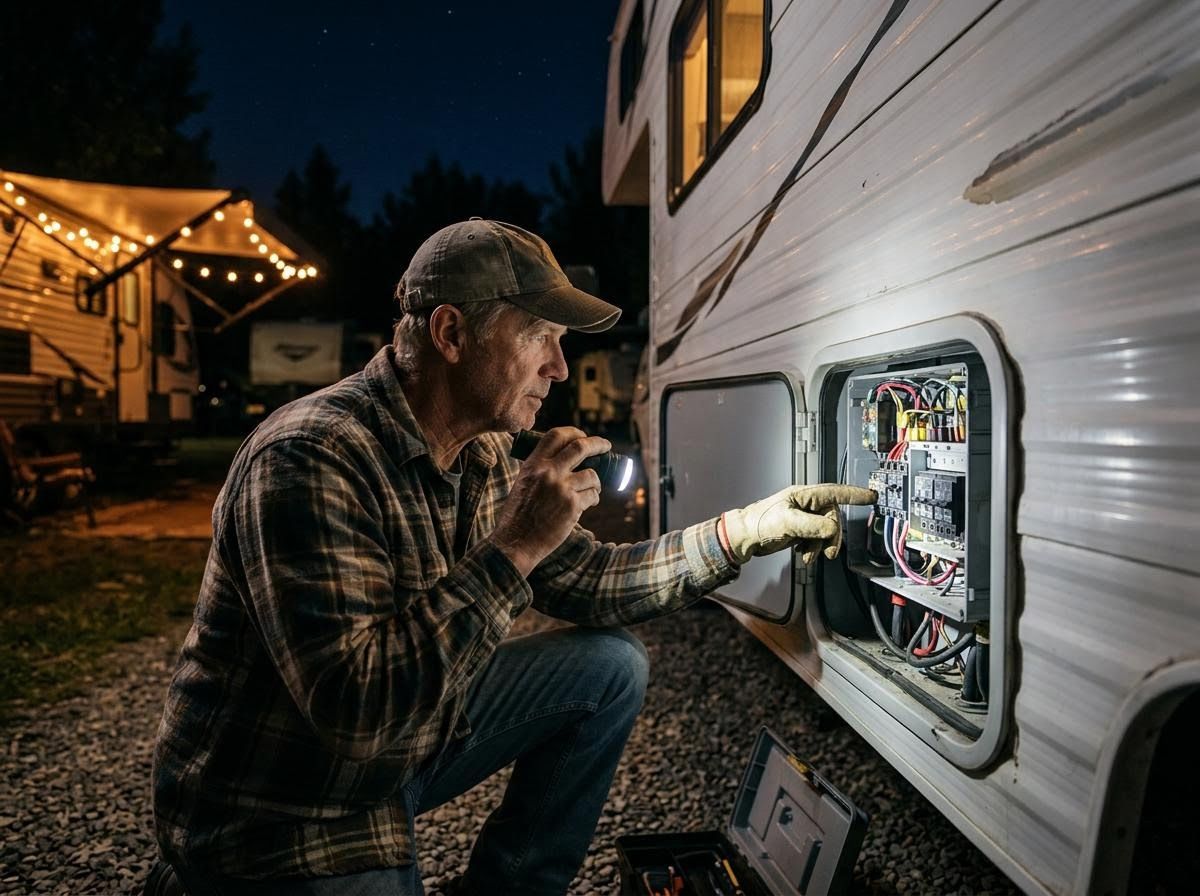
Before diving into complex diagnostics, always start with the fundamentals: power and fuel. First, ensure your RV's propane tank is full and that the main valve on the tank is fully open. Many RVers accidentally leave it partially closed, which can restrict flow. Next, verify your 12V DC power supply. The furnace relies heavily on battery power for its fan, circuit board, and ignition system. Check your RV's battery levels, and inspect the fuses associated with the furnace in your power distribution panel. A blown fuse or weak battery is a frequent culprit, and addressing your RV electrical work promptly can often resolve the issue.
Inspect for Airflow Obstructions
A common safety feature in RV furnaces prevents ignition if there isn't adequate airflow for combustion and heat exchange. Start by checking the furnace's intake and exhaust vents on the exterior of your RV for any blockages from debris, insect nests, or even small animal nests. Inside, ensure all return air vents are clear and not blocked by furniture or other items. The "sail switch" inside your furnace is designed to detect proper airflow from the fan; if the fan isn't moving enough air, the sail switch won't engage, preventing ignition. While an expert can diagnose a faulty sail switch, ensuring clear airflow is a simple first step.
Examine the Ignition System and Safety Controls
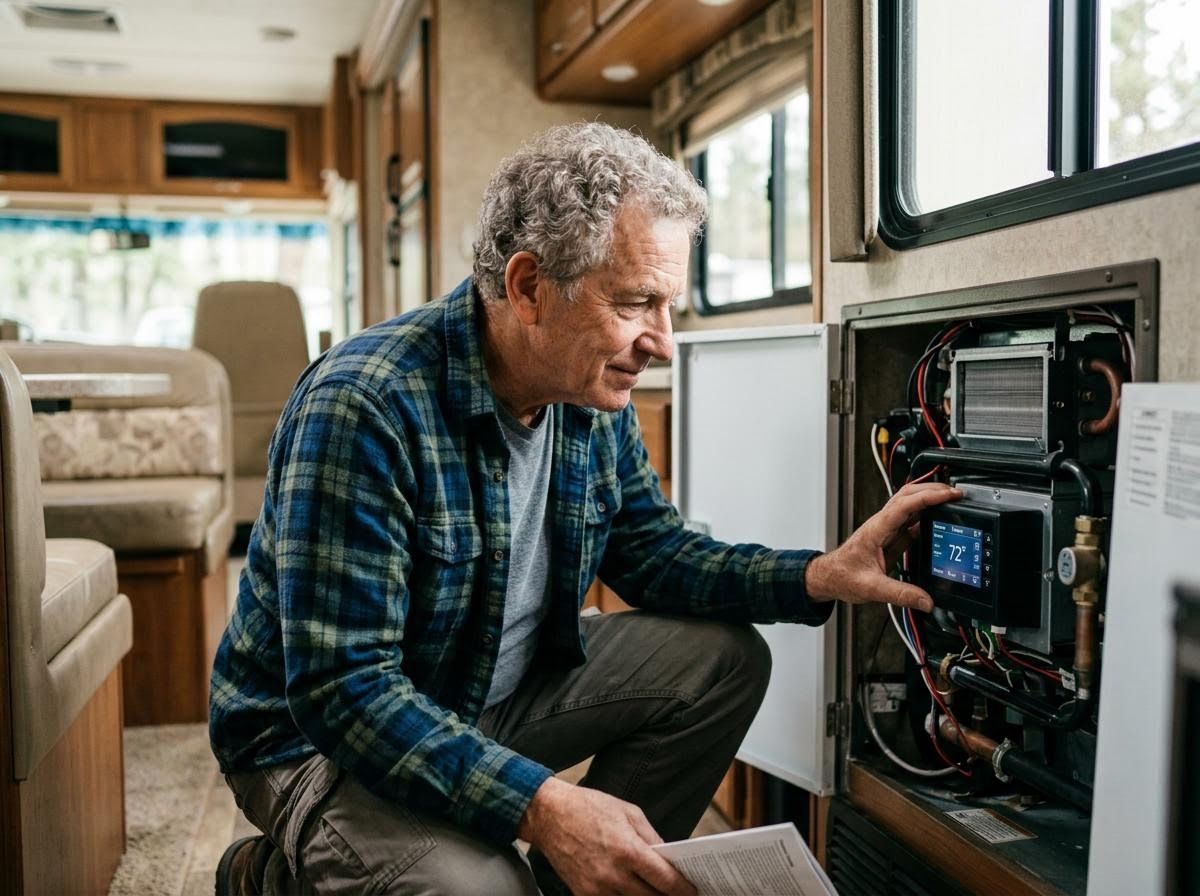
If power and airflow seem fine, the issue might lie within the furnace's ignition system or its safety controls. Modern RV furnaces utilize a direct spark ignition system. This system includes a spark electrode that generates the spark to ignite the propane, and a flame sensor that confirms ignition. If these components are dirty, corroded, or misaligned, the furnace won't light. Additionally, furnaces have a "limit switch" designed to shut down the unit if it overheats. If this switch trips, it could indicate an underlying airflow problem or a faulty component that requires attention. For specialized units, such as a hydronic heating system like an AquaHot or Oasis, these ignition and safety sequences are integrated into a more complex network.
When to Seek Professional Assistance
While these troubleshooting steps can help identify and resolve many common furnace problems, some issues are best left to professionals. If you've gone through the basic checks and your RV furnace still isn't igniting, it might be time to consider professional RV repair services. Problems like a malfunctioning circuit board, gas valve issues, or persistent problems with a sophisticated hydronic heating system require specialized tools and expertise. Options like mobile RV services can bring the repair shop to you, offering unparalleled convenience. In some cases, a diagnosis might even be possible through remote RV repair discussions with a trusted technician.
While these troubleshooting steps can help resolve many common furnace issues, some problems require specialized knowledge and tools. Ensuring your RV's heating system is in top condition is crucial for comfort and safety on the road, allowing you to enjoy your adventures fully. For more complex diagnostics, specialized repairs, or professional assistance, Longship RV stands ready with expert RV repair services to get you back to warmth. To learn more about maintaining your RV's essential systems and avoiding common cold-weather breakdowns, contact us for detailed guides and service offerings.